















Ultimate Aircraft Battery Cross Reference Guide
Compare Concorde and Gill aircraft batteries and find equivalent replacements across AGM, dry-charged, and sealed lead-acid types.
This guide helps pilots, aircraft owners, maintenance shops, and mechanics identify equivalent aviation batteries by manufacturer, voltage, battery type, and common aircraft applications.
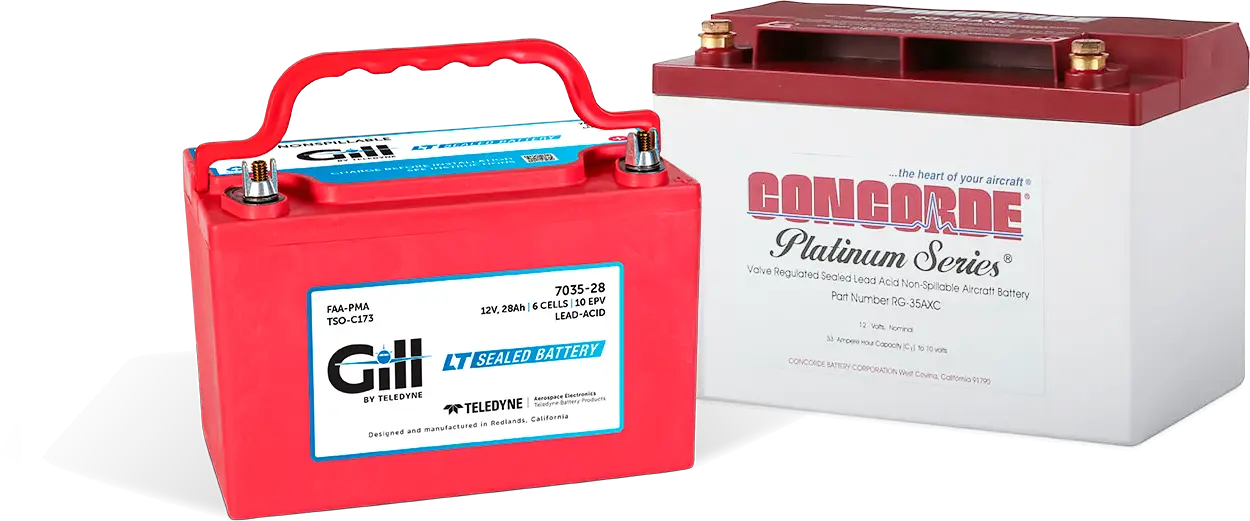


Aircraft Battery Cross Reference Chart
Start here if you already know your current battery part number and want to find the closest equivalent.
🔍 Find Your Aircraft Battery Equivalent
Enter your battery part number (e.g. RG-25, G-35, 7025-20):
| Concorde (AGM) | Gill Dry-Charged | Gill Sealed VRLA | Voltage | Legacy / Alt P/N | Type | Typical Aircraft | Notes / STC |
|---|---|---|---|---|---|---|---|
| RG-24 | G-24 | 7024-24 | 12V | CB24, RG24 | AGM / Flooded | C152, C172, PA-28 | Direct replacement |
| RG-25 | G-25 | 7025-20 | 12V | CB25, RG25E | AGM / Flooded | C172, PA-28, Bonanza | Most common GA battery |
| RG-25XC | G-25 | 7025-20 | 12V | RG25 High Crank | AGM | Same as RG-25 | Higher cranking performance |
| RG-35A | G-35 | 7035-28 | 12V | CB35, RG35 | AGM / Flooded | C182, C206, PA-32 | Common upgrade from 25 group |
| RG-35AXC | G-35 | 7035-28 | 12V | RG35 High Crank | AGM | C182, PA-32 | Premium cranking version |
| RG-380E | — | 7638-44 | 24V | 20-S113 | AGM | King Air 200 | STC SA01260WI |
| RG-390E | — | — | 24V | BTSP 400 | AGM | Turboprop / business aircraft | High capacity main battery |
| RG-243 | G-243 | 7243-16 | 24V | — | Flooded | Light twins | Standard 24V system |
| RG-641 | G-641 | 7641-20 | 24V | — | Flooded / VRLA | Twin-engine GA | High capacity system |
| — | G-246 | — | 24V | — | Flooded | Older twin aircraft | Legacy installations |
| — | G-247 | — | 24V | — | Flooded | Legacy systems | Being phased out |
| — | G-6381E | 7638-44 | 24V | — | Flooded / Sealed | Turboprops | Heavy-duty applications |
| — | G-639E | — | 24V | — | Flooded | Commercial aircraft | Legacy model |
| — | G-242 | 7046-20 | 24V | — | Flooded / VRLA | Light twins / turboprops | No direct AGM equivalent |
| — | G-244 | — | 24V | — | Flooded | Legacy GA aircraft | Being replaced by newer models |
| — | G-245 | — | 24V | — | Flooded | Older installations | Limited availability |
| — | G-248 | — | 24V | — | Flooded | Commercial aircraft | Heavy-duty use |
| — | G-249 | — | 24V | — | Flooded | Commercial / utility aircraft | Legacy battery |
| — | G-251 | — | 24V | — | Flooded | Special applications | Rare usage |
| — | G-253 | — | 24V | — | Flooded | Legacy installations | Limited support |
| — | G-254 | — | 24V | — | Flooded | Industrial aviation use | Rare |
| — | G-6382E | 7638-44 | 24V | — | Flooded / VRLA | Turboprops | Heavy-duty replacement |
| — | G-640 | 7641-20 | 24V | — | Flooded / VRLA | Twin-engine aircraft | Alternative to G-641 |
| — | G-642 | — | 24V | — | Flooded | Commercial aircraft | Legacy model |
| — | G-643 | — | 24V | — | Flooded | Commercial aviation | Rare |
| RG-427 | — | — | 24V | — | AGM | Business aircraft | Specialized use |
| RG-442 | — | — | 24V | — | AGM | Business jets | High capacity |
| RG-443 | — | — | 24V | — | AGM | Corporate aircraft | Premium battery |
| — | G-242 | 7046-20 | 24V | — | Flooded / VRLA | Light twins / turboprops | No direct AGM equivalent |
| — | G-244 | — | 24V | — | Flooded | Legacy GA aircraft | Being replaced by newer models |
| — | G-245 | — | 24V | — | Flooded | Older installations | Limited availability |
| — | G-248 | — | 24V | — | Flooded | Commercial aircraft | Heavy-duty applications |
| — | G-249 | — | 24V | — | Flooded | Commercial / utility aircraft | Legacy system |
| — | G-251 | — | 24V | — | Flooded | Special applications | Rare usage |
| — | G-253 | — | 24V | — | Flooded | Legacy installations | Limited support |
| — | G-254 | — | 24V | — | Flooded | Industrial aviation | Rare |
| — | G-6382E | 7638-44 | 24V | 4301 series, 4302 series | Flooded / VRLA | Turboprops | Heavy-duty replacement |
| — | G-640 | 7641-20 | 24V | — | Flooded / VRLA | Twin-engine aircraft | Alternative to G-641 |
Aircraft Battery Types
Explore the different types of aircraft batteries and their advantages.

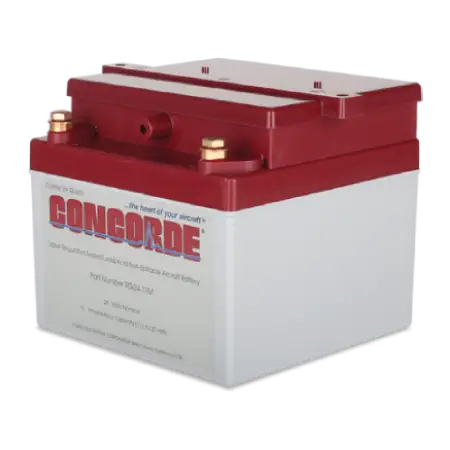
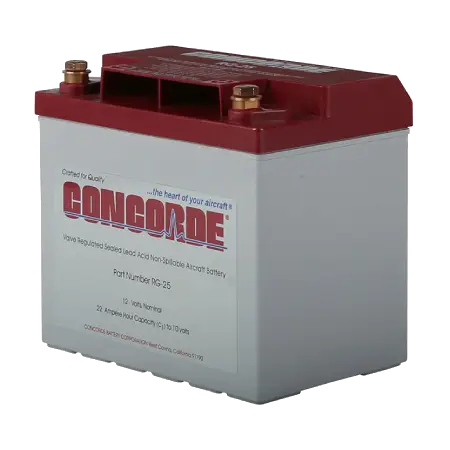
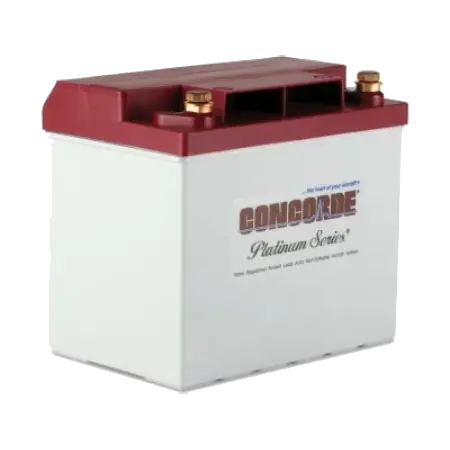
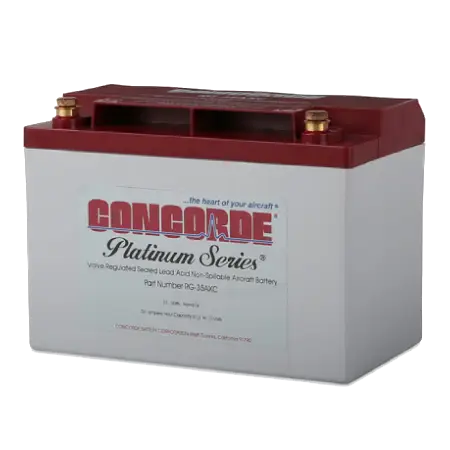
Sealed AGM Batteries
AGM aircraft batteries are sealed, maintenance-free, spill-proof, and highly resistant to vibration.
✔Maintenance-free
✔Spill-proof
✔Excellent vibration resistance
✔Strong engine starting performance
Example batteries:
 |
 |
 |
 |
| Concorde RG-24 |
Concorde G-25 |
Concorde RG-25XC |
Concorde RG-35AXC |

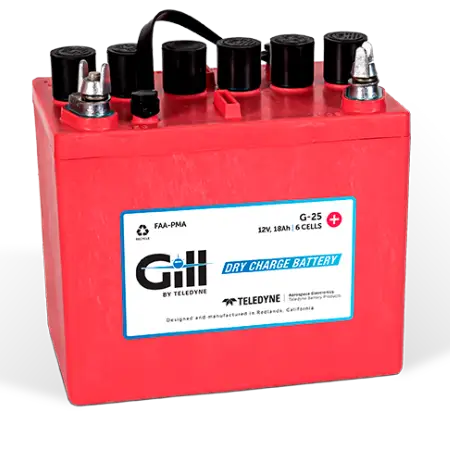
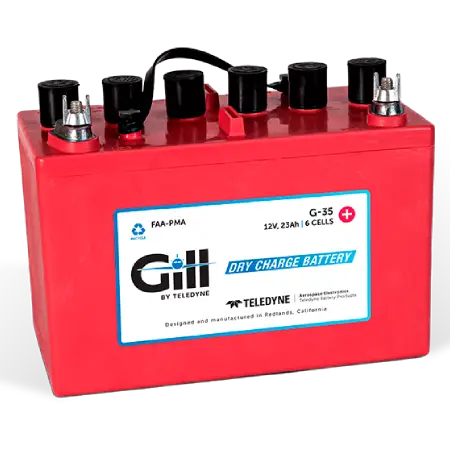
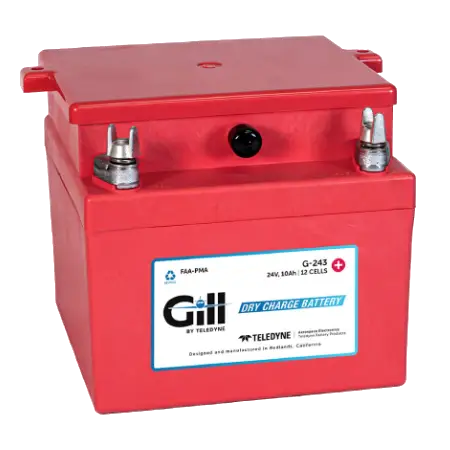
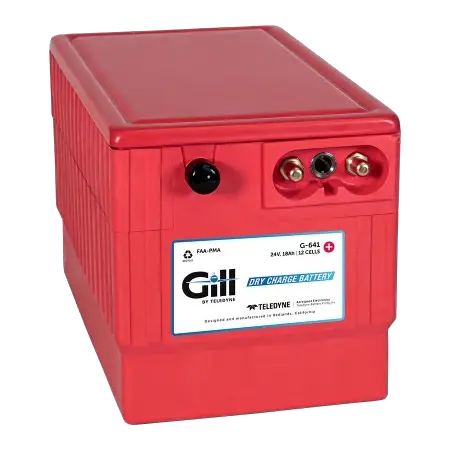
Dry-Charged Batteries
Dry-charged batteries ship without electrolyte and must be activated before being placed in service.
✔Long shelf life before activation
✔Traditional serviceable design
✔Common in legacy certified aircraft
Example batteries:
 |
 |
 |
 |
| Gill G-25 |
Gill G-35 |
Gill G-243 |
Gill G-641 |

Sealed Lead Acid Batteries
Sealed lead-acid aircraft batteries provide a maintenance-friendly alternative in selected installations.
✔No electrolyte servicing
✔Convenient replacement option
✔Available in selected Gill LT series models
Example batteries:
|
|
||
| Gill LT 7035-28 |
Gill LT 7641-20 |
Popular Aircraft Batteries
These are among the most common aircraft batteries used in general aviation training aircraft, piston singles, and utility aircraft.

Concorde RG-25 Aircraft Battery | 12V, AGM
In stock
Original price was: 358,20 €433,42 €.328,20 €397,12 €Current price is: 328,20 €397,12 €. Excl. VATIncl. VAT
Part Number:
RG-25

Concorde RG-35A Premium Aircraft Battery | 12V, AGM
In stock
417,20 €504,81 € Excl. VATIncl. VAT
Part Number:
RG-35A

Concorde RG-35AXC Premium Extra Cranking Aircraft Battery | 12V, AGM
In stock
Original price was: 487,92 €590,38 €.442,72 €535,69 €Current price is: 442,72 €535,69 €. Excl. VATIncl. VAT
Part Number:
RG-35AXC

Gill G-25 Dry Charged Aircraft Battery | 12V
In stock
Original price was: 292,11 €353,45 €.262,10 €317,14 €Current price is: 262,10 €317,14 €. Excl. VATIncl. VAT
Part Number:
g-25

Gill G-35 Dry Charged Aircraft Battery | 12V
In stock
318,70 €385,63 € Excl. VATIncl. VAT
Part Number:
G-35

Gill G-641 Dry Charged Aircraft Battery | 24V
In stock
1877,11 €2271,30 € Excl. VATIncl. VAT
Part Number:
G-641
How to Choose the Correct Replacement Battery
- Verify voltage: 12V and 24V batteries are not interchangeable.
- Check dimensions: battery box size and hold-down configuration matter.
- Confirm terminal type: terminal orientation and hardware can vary.
- Review approved data: aircraft manual, IPC, STC, or maintenance provider guidance.
- Choose chemistry carefully: AGM, flooded, and sealed lead-acid batteries behave differently in service.
- Verify approval basis: check aircraft maintenance manual, IPC, or STC for approved battery types and part numbers
Important: A battery may look physically similar to another model while still being unsuitable for installation in a specific aircraft. A cross-reference does NOT guarantee installation compatibility. Always verify aircraft-specific approvals, STC requirements, and physical fitment before installation.
Aircraft Model Battery Lookup
Below are common aircraft models and the battery groups typically associated with them. This section can be expanded into a full aircraft-by-aircraft battery database later.
| Aircraft Model | Common Battery Group | Typical Battery Options |
|---|---|---|
| Cessna 150 / 152 | Group 24 | RG-24, G-24 |
| Cessna 172 | Group 24 / Group 25 | RG-24, RG-25, G-24, G-25 |
| Piper PA-28 Cherokee | Group 25 | RG-25, RG-25XC, G-25 |
| Cessna 182 / 206 | Group 35 | RG-35A, RG-35AXC, G-35 |
| Piper PA-32 | Group 35 | RG-35A, RG-35AXC, G-35 |
| 24V piston twins | 24V aviation battery groups | G-243, G-641, related equivalents |
Find the correct battery for your specific aircraft model in seconds. Explore our full lookup tool covering Cessna, Piper, Beechcraft, Mooney and more.
Questions & Answers
Below are answers to the most common questions about aircraft battery replacement, compatibility, and selection. This section is designed to help pilots, owners, and maintenance technicians make informed decisions.
The Concorde RG-25 is commonly equivalent to the Gill G-25 and sealed VRLA models such as 7025-20. These batteries share similar voltage, dimensions, and typical general aviation applications.
However, aircraft battery replacements must always be verified against approved data. Check your aircraft maintenance manual, IPC, or applicable STC documentation to confirm compatibility, mounting configuration, and certification requirements before installation.
The Gill G-35 can typically be replaced with the Concorde RG-35A or sealed Gill models such as 7035-28. These batteries are commonly used in aircraft requiring higher cranking performance and capacity.
Before replacing, always verify fitment, terminal configuration, and approval status in your aircraft documentation. Some aircraft may require specific STC approvals or installation modifications.
In many cases, a flooded aircraft battery can be replaced with an AGM (Absorbent Glass Mat) battery, but only if the replacement is approved for your specific aircraft.
AGM batteries are sealed, maintenance-free, and offer improved vibration resistance and reliability. However, they may have different charging characteristics and installation requirements.
Always confirm compatibility using the aircraft maintenance manual, STC documentation, or guidance from a licensed mechanic before upgrading.
No. Aircraft batteries are not universally interchangeable, even if part numbers appear to cross-reference.
While cross-reference charts help identify equivalent models, installation compatibility depends on multiple factors including dimensions, terminal orientation, mounting provisions, electrical characteristics, and certification requirements.
Always verify the replacement battery against approved aircraft documentation and consult a qualified maintenance provider before installation.
AGM (Absorbent Glass Mat) batteries are sealed, maintenance-free, and ready for installation. They offer improved reliability, vibration resistance, and longer service life in many applications.
Dry-charged batteries, on the other hand, require activation with electrolyte before use and typically require periodic maintenance. They are often more cost-effective but require more handling and servicing.
The correct choice depends on your aircraft requirements, operating environment, and approved battery types.
The Cessna 172 commonly uses Group 24 or Group 25 aircraft batteries, depending on the specific model and configuration.
Typical options include Concorde RG-24, RG-25, or Gill equivalents such as G-24 or G-25. Always verify the exact battery type using the aircraft maintenance manual or IPC for your specific aircraft serial number.
The correct aircraft battery can be identified using the existing part number, aircraft maintenance manual, or IPC. Cross-reference charts can help match older or legacy battery part numbers to current equivalents.
Always confirm voltage (12V or 24V), dimensions, terminal configuration, and certification requirements before selecting a replacement battery.
Aircraft battery lifespan typically ranges from 2 to 5 years depending on battery type, usage, maintenance, and operating conditions.
AGM batteries often offer longer service life and better reliability, while dry-charged batteries may require more frequent maintenance.
Proper charging, storage, and regular inspection can significantly extend battery life.
This guide is maintained by AircraftParts.eu, a European supplier of certified aircraft parts and avionics. Data is compiled from manufacturer documentation (Concorde, Gill / Teledyne), industry references, and real-world applications. This cross-reference guide is provided for informational purposes only. Battery replacements in aircraft must be verified against approved data, including the aircraft maintenance manual, IPC, STC approvals, or manufacturer documentation. Always consult a licensed mechanic or approved maintenance organization before installation.
Last updated: March 2026